
The Future of Solar Energy in Emerging Markets

Share This Post

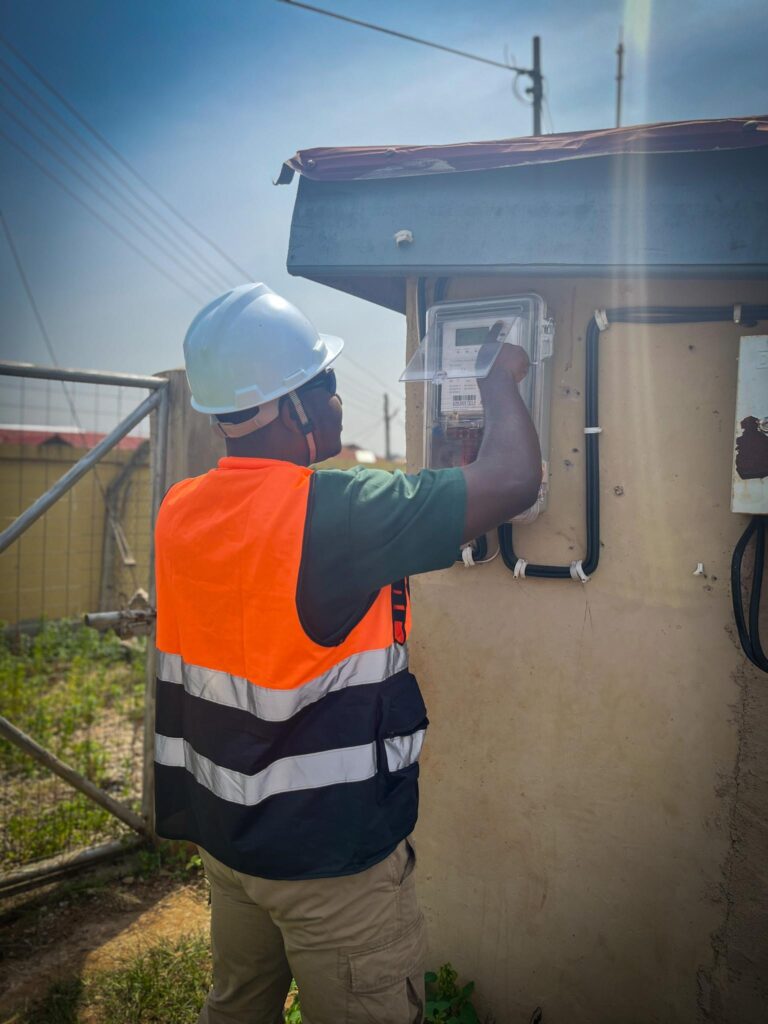
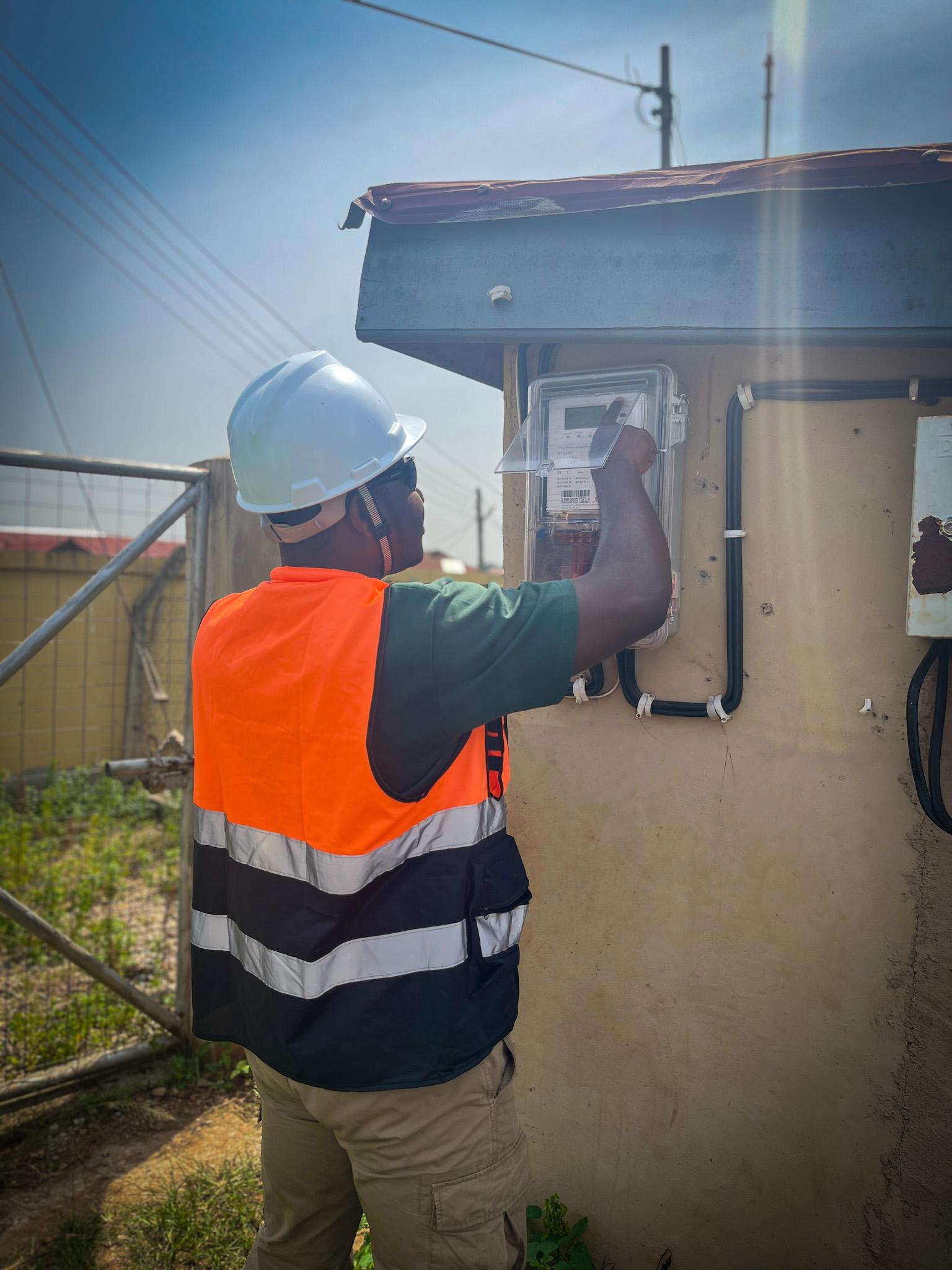
The future of solar energy in emerging markets, particularly in Africa, is less a question of technical feasibility and more a question of scale, strategy, and intent. In Ghana today, the average cost of electricity from the national grid sits in the range of roughly USD 0.16 per kilowatt-hour for households and many commercial users. This price reflects not just the cost of generation, but also transmission losses, fuel imports, system inefficiencies, and the broader cost of maintaining a centralized grid across a growing and geographically diverse population.

When this grid price is compared to the cost of generating electricity from solar, a structural opportunity becomes clear. Even under current conditions, solar photovoltaic systems in Ghana can produce electricity at a levelized cost that is competitive with, and in many cases lower than, grid tariffs, particularly for commercial and industrial users with consistent daytime demand. The paradox, however, is that solar power in Africa is still often perceived as expensive. This perception is driven not by the resource itself, but by the fact that the continent has not yet deployed solar at sufficient scale to unlock the full benefits of cost compression.

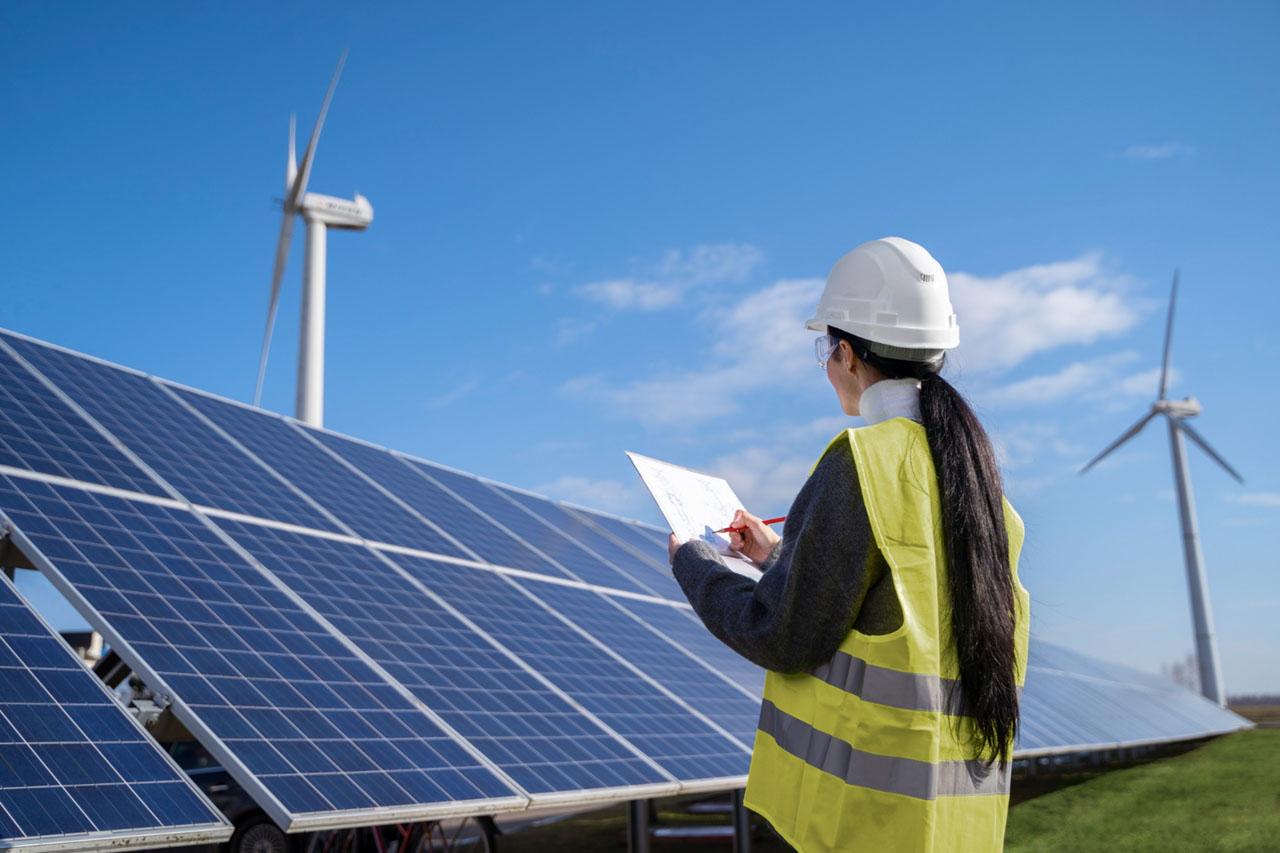
Africa, and Ghana in particular, enjoys one of the most consistent solar resources in the world. With high levels of irradiation spread relatively evenly across the year, solar installations in this region generate more electricity per installed kilowatt than comparable systems in many Western countries. In purely physical terms, the same solar panel produces more energy in Accra than it would in most of Europe. This natural advantage should translate into lower generation costs over the life of a solar asset, yet that advantage is only partially realized today.

The reason lies largely in scale. Solar technology itself is global, but the economics of deployment are local. In markets where solar has been rolled out aggressively and at scale, costs have fallen rapidly due to bulk procurement of panels and inverters, standardized project designs, mature installation ecosystems, and access to low-cost, long-tenor financing. In much of Africa, projects remain relatively small, fragmented, and often financed at higher interest rates, which inflates the apparent cost per kilowatt-hour even when the underlying solar resource is superior.

It is important to recognize that each country’s energy landscape is shaped by its geography, economy, and institutional maturity. Ghana’s energy system must balance hydropower variability, thermal generation costs, fuel price exposure, and grid expansion needs. Solar offers a way to reduce pressure across all these fronts, but only if it is treated as core infrastructure rather than a peripheral solution. The high electricity prices consumers experience today are not an argument against solar. They are an argument for accelerating its deployment at scale.

The strategic imperative for African countries is therefore clear. By deliberately pursuing utility-scale solar, encouraging large commercial and industrial installations, and creating policy environments that support aggregation and standardization, governments can drive solar costs down rapidly. As scale improves, solar generation in Africa should not merely compete with grid power. It should undercut it decisively. In doing so, sunlight becomes more than an environmental asset. It becomes a source of economic resilience, industrial competitiveness, and long-term energy sovereignty.

Africa’s comparative advantage is already in place. The sun is abundant, consistent, and free. The remaining task is to build the scale, financing structures, and institutional confidence required to convert that advantage into affordable power. When that happens, the narrative around energy costs in Ghana and across the continent will shift from one of constraint to one of opportunity.

Picture of Maclean Kajola Dzormekuh

Maclean Kajola Dzormekuh

Maclean is the Project Manager for Brainsfield's energy metering projects. He is a business development manager who believes in the power of the build-measure-learn feedback loop, and mankind's inherent ability to evolve through mentorship and self-motivation.